











Opening Chests
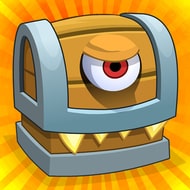
Ask around in Dirt Clicker’s own community hub and one topic comes up more than almost any other: how do you actually open the chests? It’s a fair question — the game doesn’t spell out the chest-and-key system in plain terms, and more than a few players have finished the demo with chests still sitting unopened. Here’s what the mechanic actually involves, based on how the developers themselves have explained it to confused players.
| Element | Role |
|---|---|
| Standard Keys | Color-coded (silver, gold, red confirmed so far), each tied to a matching chest type |
| Key Relics | Reveal a color combination when examined for a few seconds |
| Evil Key | Must spawn before the Evil Chest becomes available at all |
| Chests | Guaranteed reward pulls — but locked behind the correct key or code |
Why Chests Feel Confusing at First
Unlike loot pulled straight from digging, chests in Dirt Clicker don’t open on contact. Most require you to already hold the matching key, and the game doesn’t always make it obvious which key goes with which chest — something reflected directly in the game’s own community discussions, where even players who otherwise finished the demo reported being stuck on three or more chests they couldn’t figure out how to open.
The confusion usually comes down to one thing: players dig up a chest before they’ve found its key, assume it can be opened later without issue, and move on. By the time the right key turns up, the chest itself may be back in terrain the player has already cleared, turning a simple pickup into a backtracking chore.
How the Key-Relic Color System Works
According to explanations the developers have posted directly in response to player questions, certain key relics work by showing you a color combination if you look at them for a few seconds. That combination is what tells you which chest type the key unlocks — rather than a key simply matching a chest by shape or label, the game leans on this short visual cue to communicate the pairing.
This system trips people up mainly because it’s easy to miss. If you pick up a key relic and move on without pausing to actually observe it, you can end up holding a key without realizing what it opens — or without realizing you’re holding a key at all, since some players have reported not finding any keys purely because they didn’t recognize one when it appeared.
The Evil Chest: A Two-Step Reward
The Evil Chest deserves its own mention because it behaves differently from standard chests. It doesn’t appear on its own — an Evil key has to spawn first before the Evil Chest becomes something you can even look for. That makes it a two-part find rather than a single pickup: first locating the key, then locating or reaching the chest itself once you know it’s out there.
Because of that two-step structure, it’s easy to overlook entirely on a first playthrough, especially if you’re not aware the key needs to spawn before the chest does. Keeping an eye out for anything that looks unusual compared to standard keys is the most reliable way to catch it early rather than realizing after the fact that you walked past it.
Practical Tips for Not Getting Stuck
A few habits reported by players who’ve cleared the demo without hitting a wall on chests:
- Pause on key relics. If something looks like it might be a key, give it a few seconds before moving on — the color combination reveal isn’t instant.
- Don’t dig past a chest assuming you’ll circle back easily. Note its location if you don’t have the matching key yet, since retrieving it later can mean re-digging cleared terrain.
- Watch for anything that breaks the normal key pattern. The Evil key in particular doesn’t behave like the standard silver, gold, and red keys, so an unfamiliar item is worth a second look.
- Use the in-game bug report button if something seems broken rather than just difficult. The developers have distinguished between intended puzzle difficulty and actual bugs in their own responses to players.
When It’s Worth Asking for Help
Because the chest-and-key system isn’t explained in detail inside the game itself, checking the game’s official community discussions is a legitimate strategy rather than a last resort — the developers have personally walked players through the color-combination mechanic more than once, which suggests it’s an intentional design choice rather than something meant to be self-evident on a first attempt.
If you’ve genuinely dug through an entire layer and still can’t account for a chest, it’s worth assuming you’re missing a key rather than assuming the chest is unsolvable — that’s been the outcome in most of the cases players have reported publicly.
Do all chests require a key to open?
Most do. Assume any chest you find needs a matching key rather than expecting it to open on its own, and treat finding the key as part of the objective rather than a bonus.
How do I know which key opens which chest?
Certain key relics reveal a color combination if you examine them for a few seconds — that combination indicates the chest type the key is meant for, rather than any visible label on the key itself.
What’s different about the Evil Chest specifically?
It only becomes available after an Evil key has spawned. Until that key appears, there’s no Evil Chest to look for — it’s a two-part reward rather than a straightforward pickup.
Chests in Dirt Clicker reward patience more than speed. Slowing down long enough to actually look at what you’ve picked up, rather than digging straight past it, tends to be the difference between clearing a layer’s loot in full and finishing with a handful of chests you can never quite explain.