















Idle Ants






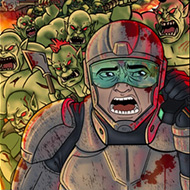





What actually happens to a colony in Idle Ants the moment its Queen starts laying eggs? Everything changes at once — you stop being the sole source of new workers, and the game quietly shifts from a game about your clicks to a game about your colony’s own momentum.
| Genre | Idle colony simulation |
| Platform | Browser and mobile |
| Core Loop | Forage, hatch, upgrade, expand |
| Upgrades | Speed, Workers, Strength |
What Happens the Moment You Hatch a Queen in Idle Ants
Before the Queen, every worker ant is one you produced by hand, and progress feels linear and slow. Once she is hatched and laying eggs continuously, your colony starts replenishing itself, and the whole rhythm of the game changes from active production to management.
New players sometimes delay hatching a Queen, worried about the resource cost, and end up stuck manually producing workers far longer than necessary. The Queen pays for herself almost immediately once she is laying at a steady rate.
Foraging, Tunneling, and the Jobs Your Colony Needs
Worker ants forage automatically once food is available nearby, hauling it back to feed the rest of the colony, but the more interesting decisions come from directing ants toward specialized tasks — digging new tunnels, expanding the nest itself, researching upgrades, or standing ready to defend against threats.
- Keep enough ants on foraging duty to sustain the colony’s baseline food needs.
- Assign a smaller group to tunneling once food income is stable.
- Only pull ants into research once your nest has room to support the population growth it enables.
Early in the game, foraging alone feels like the whole loop. By the time you reach your third or fourth tunnel expansion, research and defense start competing for the same limited ants, and that trade-off is where Idle Ants actually asks you to think.
Speed, Workers, Strength: The Three Upgrades That Matter
Speed upgrades make your colony work faster overall, Workers upgrades recruit new ants outright, and Strength upgrades let each ant carry larger loads back to the nest. None of the three is universally best — the right pick depends on whether your bottleneck is throughput, headcount, or carrying capacity.
A colony with high Strength but low headcount looks efficient per-ant but produces less overall than a larger, weaker colony moving smaller loads constantly. Players who fixate on Strength early sometimes overlook how much raw Workers investment compounds through the Queen’s egg-laying rate.
New Ant Types and What Idle Ants Unlocks Around Them
Beyond the base worker, the game unlocks ant types with unique abilities as your colony grows, each one changing what your colony can realistically take on. A colony that unlocked a defensive ant type well before it needed one has an easier time when threats eventually show up than one scrambling to catch up mid-attack.
Defending the Nest Once Threats Show Up
Idle Ants eventually introduces external threats your colony has to fend off, and this is the point where a purely economy-focused colony can find itself underprepared. Diverting even a small standing group of ants to defense before it is strictly necessary tends to pay off compared to reacting after the first real threat appears.
Do I need a Queen before I can unlock tunneling?
Not strictly, but tunneling without a Queen means every ant assigned to it is one you are not replacing easily, since worker production is manual until she starts laying. Most players hatch a Queen first and treat tunneling as the natural next step.
What is the fastest way to grow my colony early on?
Prioritize Workers upgrades until your Queen is laying at a reasonable rate, then shift spare resources toward Speed. Strength upgrades matter more once your colony already has enough ants to make bigger loads worth carrying.
Why does my colony stall out even with a full roster of ants?
Check whether food income is actually keeping pace with your headcount. A large colony with too few ants foraging will stall regardless of how many are assigned elsewhere, since everything downstream depends on that base resource.
The moment Idle Ants clicks for most players is not the first Queen or the first new ant type — it is the first time a colony genuinely runs itself for an hour and comes back bigger, foraging, tunneling, and defending all at once without a single extra tap.
Comments
There are no reviews yet. Be the first one to write one.
