








Megabonk
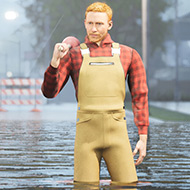
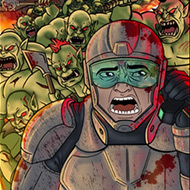


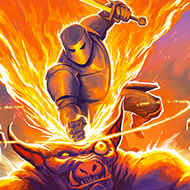
What happens when a survival roguelike drops the top-down camera everyone expects from the genre and puts you right behind your character’s shoulder instead? Megabonk is the answer, and that single camera decision changes more about how the game feels than its enemy counts or item lists ever could on their own.
Megabonk: A Third-Person Take on an Established Genre
Megabonk keeps the core structure familiar to anyone who has played a horde-survival roguelike — automatic attacks, waves of enemies, a build that snowballs over the course of a run — but shoots it from a third-person perspective rather than the top-down view the genre usually defaults to. That shift makes fights feel more immediate and chaotic, since you are seeing the horde close in around your character rather than observing it from a detached overhead angle.
Players coming from more traditional top-down survival games sometimes need a session or two to adjust to reading enemy positioning from this new angle, but most describe the adjustment as quick once it clicks.
Automatic Combat, Manual Positioning
Combat in Megabonk happens automatically once a build is in motion, which shifts player attention toward movement and positioning rather than manual attack timing. Surviving a chaotic wave often comes down to reading where the safest path through a crowd is, rather than reacting to individual enemy attacks one at a time.
This automatic-combat structure is standard for the genre, but Megabonk’s third-person camera makes positioning decisions feel more consequential than they do in a top-down equivalent, since your field of view is genuinely more limited in the moment.
Procedurally Generated Maps and Escalating Hordes
Every run drops you into a procedurally generated map, meaning no two sessions play out on identical terrain, and hordes of enemies escalate as a run continues, eventually building toward bosses that demand a build actually capable of handling them. Scavenging for loot, upgrades, and synergies along the way is how a fragile early build turns into something that can survive the later pressure.
Reading which upgrades synergize with a current build, rather than grabbing whatever appears first, is one of the more important skills separating short runs from long ones.
Characters, Missions, and Items
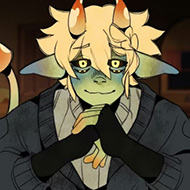
Megabonk offers 20 playable characters and more than 70 items to work with, and over 240 missions give players specific goals to chase beyond simply surviving as long as possible. Each character interacts differently with the available items, and unique synergies between characters and objects are a big part of why runs can feel meaningfully different from one to the next, even on similar maps.
Players chasing mission completion tend to approach runs differently than players purely trying to survive as long as possible, since missions sometimes reward playstyles that are not strictly the most efficient way to extend a run.
Megabonk’s PS1-Style Aesthetic
Megabonk’s 3D visuals lean into a deliberately nostalgic PS1-era aesthetic rather than chasing modern fidelity, which gives its fast-paced third-person action a distinct visual identity compared to other games in the genre. That aesthetic choice has become one of the things players bring up most often when describing what makes Megabonk stand out at a glance.
- Why does Megabonk feel different from other survival roguelikes I have played? The third-person camera is the biggest factor — it changes how positioning and enemy density read compared to the top-down view most games in the genre use.
- Do all 20 characters play similarly? No — each character interacts differently with Megabonk’s item pool, and finding synergies specific to a character is a meaningful part of building an effective run.
- Should I prioritize missions or just survive as long as possible? It depends on what you are chasing — missions sometimes reward approaches that are not the most efficient path to a long survival run, so the two goals do not always align perfectly.
Megabonk takes a genre players already know well and makes it feel unfamiliar again just by changing where the camera sits, and that alone is enough to make even a standard horde-survival run feel like it is happening somewhere new.
Comments
There are no reviews yet. Be the first one to write one.